Spinal Stenosis Revision Surgery: Overcoming Failed Back Surgery Syndrome
Considering spinal stenosis revision surgery? Discover why your first procedure may have failed and how advanced techniques can finally provide lasting pain ...
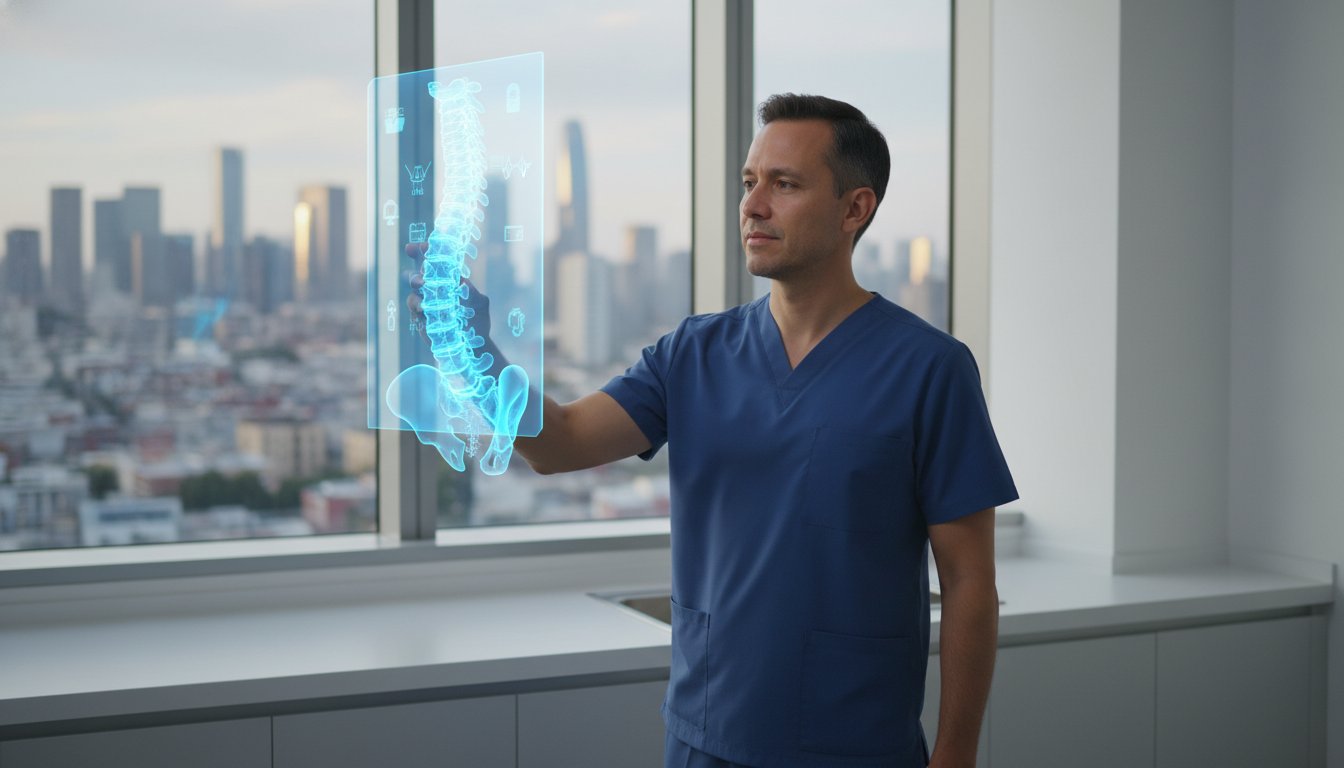
What if the persistent leg pain you're feeling after your procedure isn't a sign that surgery is ineffective, but rather a sign that the underlying mechanical cause was never fully addressed? It's deeply frustrating to undergo a complex procedure only to find yourself still struggling with neurogenic claudication or the fear of permanent nerve damage. You expected a return to your daily routine; instead, you're left questioning if spinal stenosis revision surgery is even a safe or viable path forward. We understand this sense of disillusionment and the clinical complexity of Failed Back Surgery Syndrome.
This article explores why primary interventions sometimes fall short and how a specialized neurosurgical approach can finally restore your mobility and quality of life. Successful revision isn't simply about performing more decompression. It's about a meticulous, evidence-based correction of the mechanical or biological reasons the first surgery failed. We'll preview the latest 2026 surgical standards, the growing trend of high-quality spine care in Mexico's specialized centers, and how a principled second opinion provides the clarity you need to move forward with confidence and medical integrity.
Key Takeaways
- Identify the root causes of surgical failure, such as incomplete initial decompression or recurrent stenosis, to ensure the next procedure is truly corrective.
- Evaluate the technical complexities of spinal stenosis revision surgery, specifically how specialists safely navigate epidural fibrosis to protect nerve integrity.
- Compare the benefits of modern minimally invasive techniques against the necessity of open revision when complex hardware removal or structural stabilization is required.
- Learn why comprehensive diagnostics, including CT myelograms and dynamic X-rays, are the essential foundation for distinguishing new pathologies from previous surgical artifacts.
- Gain insight into the ethical neurosurgical standards at JCI-accredited institutions in Mexico, where clinical necessity and patient safety guide every surgical recommendation.
Why Primary Spinal Stenosis Surgery Fails: Identifying the Root Cause
The return of leg pain, heaviness, or numbness after an initial procedure is a significant clinical event. It often signals that the primary surgery did not achieve its intended goal or that new mechanical issues have emerged. This condition, clinically classified as Persistent spinal pain syndrome (PSPS), requires a thorough diagnostic review to determine the precise etiology of the failure. Identifying why the first intervention fell short is the essential first step in planning a successful spinal stenosis revision surgery. We approach these cases with a commitment to medical integrity, ensuring that any subsequent intervention is based on a clear mechanical or biological necessity.
Failure is rarely the result of a single factor. It often involves a complex interplay between surgical technique, the body's natural healing response, and the progressive nature of degenerative spine disease. For many patients, the initial relief was temporary because the underlying decompression was insufficient or the spine's structural stability was compromised during the process. We prioritize a conservative and meticulous evaluation to differentiate between scar tissue and active nerve compression.
Incomplete Decompression and Missed Fragments
Standard laminectomies are designed to create space, but they sometimes fail to address the lateral recesses where nerve roots exit the spinal canal. If the surgeon does not adequately clear these narrow pathways, residual pressure remains. This is often the case with missed foraminal stenosis, where the compression is located deep within the neural foramen. Hidden bone fragments or portions of the ligamentum flavum can also continue to impinge on the thecal sac, leading to persistent symptoms.
Adjacent Segment Disease (ASD) Explained
When a spinal level is fused or significantly altered, the mechanical stress doesn't disappear; it shifts. This creates a "domino effect" where the vertebrae immediately above or below the surgical site must compensate for the lack of mobility. Over time, these adjacent segments wear down prematurely. Patients might notice new symptoms, such as sharp localized pain or a different pattern of leg weakness, indicating that a new area of stenosis has developed. During the evaluation for spinal stenosis revision surgery, we assess these neighboring levels to ensure the next intervention provides lasting stability.
Other common causes for failure include recurrent stenosis and post-surgical instability. The body is a biological system, and it sometimes responds to surgery by producing new bone growth, known as osteophytes. This regrowth can fill the space created during the first surgery, leading to a recurrence of symptoms several years later. Additionally, aggressive bone removal during a primary laminectomy can inadvertently compromise the structural integrity of the spine. This leads to spondylolisthesis, where one vertebra slips over another, causing dynamic compression that often worsens when the patient is standing or walking.
Technical Challenges of Revision Procedures for Stenosis
Performing a second operation on the spine is significantly more complex than the initial procedure. The anatomical landscape has been altered, and the natural planes that surgeons use to navigate have often vanished. For patients seeking an expert diagnosis of failed back surgery syndrome, understanding these technical hurdles is vital for setting realistic expectations. A successful spinal stenosis revision surgery requires a higher degree of precision and specialized instrumentation to manage the delicate environment safely. It's a task that demands both clinical authority and a cautious, methodical hand.
The primary challenge is the presence of epidural fibrosis, commonly known as scar tissue. Unlike the clear layers found in a "virgin" spine, scar tissue is dense, fibrous, and lacks distinct boundaries. It adheres to the nerves and the protective covering of the spinal cord, making it difficult to distinguish between healthy tissue and the source of compression. This loss of clear anatomical landmarks increases the surgical time. It demands a principled approach that prioritizes safety over speed.
Managing Epidural Fibrosis and Scar Tissue
Scar tissue makes "finding the anatomy" a meticulous task. We use microsurgical techniques to dissect these adhesions millimeter by millimeter. This process isn't about force; it's about preserving the integrity of the neural structures through careful separation. Specialized barriers or gels are sometimes applied during the procedure to help minimize the formation of new adhesions. These steps reflect a commitment to evidence-based standards and long-term patient stability.
Protecting the Dura Mater and Nerve Roots
The risk of dural tears is notably higher during revision procedures. The dura mater, the thin membrane containing cerebrospinal fluid (CSF), often becomes inseparable from the surrounding scar tissue. If this membrane is punctured, a CSF leak can occur. This can lead to severe headaches or delayed healing. To mitigate this, we employ advanced microsurgical suturing and sealing techniques. Real-time intraoperative neuromonitoring provides an extra layer of safety, allowing us to track nerve function as we work through the scarred area.
Preserving structural integrity is also a major concern. If previous surgeries involved extensive bone removal, the spine's stability might already be compromised. We must carefully balance the need for further decompression with the risk of creating post-operative instability. If you're concerned about persistent symptoms after a previous intervention, an imaging case review can help determine if the structural challenges of your spine can be safely addressed through a revision. We focus on necessity and precision to ensure the best possible outcome for your mobility.

Minimally Invasive vs. Open Revision: Choosing the Right Approach
Deciding between a minimally invasive technique and a traditional open approach for spinal stenosis revision surgery is a decision rooted in clinical necessity rather than marketing preference. While the industry often portrays minimally invasive surgery (MIS) as the superior option for every patient, revision cases present unique anatomical hurdles that may necessitate a more expansive view. Our philosophy prioritizes a conservative yet effective path, ensuring the chosen method addresses the mechanical failure of the first procedure without introducing unnecessary risk. The goal isn't the smallest incision; it's the most stable and definitive outcome.
We weigh several factors when determining the surgical route. Recovery timelines and intraoperative blood loss are typically lower with MIS. However, these benefits must be balanced against the technical challenges of revision procedures, where visibility is paramount. A neurosurgeon's responsibility is to provide the safest environment for the nerves, which occasionally means opting for a traditional approach to ensure total decompression. This choice is made with a commitment to medical integrity and long-term patient safety.
The Role of Minimally Invasive Revision
Minimally invasive techniques are often viable when the revision involves a single level or focal re-stenosis. By using tubular retractors, we can bypass much of the existing scar tissue from the previous operation. This approach reduces trauma to the paraspinal muscles and is particularly beneficial for patients who experienced poor wound healing in the past. It's a precise, targeted method. However, MIS has limitations in cases of severe spinal instability or when significant structural realignment is required. In these instances, a more robust intervention is often necessary.
When Traditional Open Surgery is the Safer Choice
Traditional open surgery remains the gold standard for complex revision cases, particularly those involving hardware failure or multi-level stenosis. Correcting a misplaced screw or removing broken instrumentation requires the wide visibility that only an open approach provides. This visibility is also crucial for separating the dura from dense adhesions safely. In these complex scenarios, the "label" of the technique matters less than the surgeon's ability to visualize and protect the neural structures. We believe that honesty regarding these requirements builds the foundation of a successful Second Opinion Consultation.
Ultimately, the choice depends on the specific pathology identified during your diagnostic workup. We evaluate the trade-offs between the two methods with transparency. Whether through a tubular retractor or a traditional incision, the focus remains on restoring your mobility while minimizing the chance of a third intervention. Precision and necessity are our guiding principles in every case we review.
Diagnostic Precision: The Key to a Successful Second Outcome
The diagnostic phase is where the success or failure of a revision is truly decided. Many primary surgeries fall short because the initial diagnosis failed to account for the full complexity of the patient's spinal mechanics. Relying solely on a static, standard MRI often leads to an incomplete picture, especially when previous surgical hardware is present. For spinal stenosis revision surgery to be effective, we must move beyond basic imaging to identify the precise mechanical or biological reason for the persistent pain. This rigorous approach prevents the cycle of "trial and error" surgery that often leads to patient frustration and diminished trust in the medical process.
Precision begins with understanding the difference between Failed Back Surgery Syndrome and a new, evolving pathology. We don't just look for where the spine is narrow; we look for how the spine moves under stress. Dynamic X-rays and CT myelograms provide critical data that a standard MRI cannot capture. These tools allow us to see if the instability is functional or if the compression is dynamic, meaning it only occurs when you are standing or walking. This level of detail is the hallmark of a principled neurosurgical practice that values accuracy over intervention.
Advanced Imaging Protocols for Revision
Standard MRIs are frequently misleading after spinal hardware, such as screws or rods, has been implanted. The metal creates "artifacts" or shadows that obscure the very nerves we need to examine. To overcome this, we utilize metal-suppression sequences that allow us to see "behind" the hardware with greater clarity. When imaging remains inconclusive, diagnostic injections serve as a vital tool. By temporarily numbing a specific nerve root, we can confirm if that exact site is the source of your pain. This validation ensures that any proposed spinal stenosis revision surgery is targeted and necessary.
The Power of a Neurosurgical Second Opinion
A fresh pair of eyes is essential when a previous surgery hasn't yielded the expected results. A neurosurgical second opinion isn't a mere formality; it's a comprehensive re-evaluation of your entire clinical history and imaging. We often find that conservative management or a different surgical philosophy could have been explored first. Before committing to a third or fourth procedure, it's vital to have a specialist review the evidence with a focus on sobriety and restraint. You can request an expert imaging case review from Dr. Ávila Cervantes to gain the clarity needed to make an informed decision about your spinal health.
By prioritizing diagnostic precision, we eliminate the guesswork that often plagues complex revision cases. We provide a structured path forward that is based on scientific rigor and a deep respect for the patient's quality of life. Our goal is to ensure that your next step is the right one, guided by a steady and reliable hand.
Specialized Revision Spine Care in Mexico City
Choosing a destination for spinal stenosis revision surgery is a decision that requires a balance of clinical excellence and ethical assurance. Mexico City has emerged as a premier center for complex neurosurgical interventions, offering a level of specialization that matches or exceeds international standards. At the core of this practice is a commitment to medical integrity. Dr. Ávila Cervantes prioritizes surgical necessity above all else, ensuring that every patient receives a recommendation based on evidence rather than a drive for intervention. This honest, conservative approach is particularly vital for those who've already experienced a failed procedure.
The environment where your surgery takes place is just as critical as the surgeon's skill. We operate within a framework of rigorous safety and validation. Our practice is centered on providing a transparent path to recovery for both local and international patients. We recognize that traveling for spine care involves unique concerns, and we address these through meticulous planning and a steady, reliable hand. Our goal is to bridge the gap between complex science and individual care with complete transparency.
Clinical Excellence at Hospital Ángeles Pedregal
Hospital Ángeles Pedregal is a JCI-accredited institution, representing the gold standard in global healthcare quality. For revision cases, this accreditation is a fundamental safety requirement. It ensures that the surgical suites are equipped with the state-of-the-art neurosurgical technology needed for complex dissections and hardware management. Patients benefit from a multi-disciplinary support system that includes advanced imaging, specialized nursing care, and an environment designed for high-stakes recovery. This institutional rigor provides the stability necessary for a successful second outcome.
Seamless Care for International Patients
We understand that the logistics of medical tourism can be daunting for patients dealing with persistent pain. Our medical tourism coordination service provides end-to-end support to ensure your focus remains on healing. This includes everything from airport transfers and hotel arrangements to local transport for clinical visits. We don't just manage the surgery; we manage the journey. Following your spinal stenosis revision surgery, we implement strict post-operative protocols to ensure you're stable and comfortable before traveling home. This includes specific guidelines for safe air travel and a structured plan for long-distance follow-up care. If you're ready to explore a principled path to mobility, you can contact our team to discuss your revision surgery options and begin a comprehensive review of your case.
Restoring Your Path to Mobility and Quality of Life
Achieving a successful outcome after a primary procedure has failed requires more than just a second operation. It demands a rigorous diagnostic process to identify the exact mechanical root cause of your pain and a surgical philosophy that prioritizes necessity over intervention. As we've explored, spinal stenosis revision surgery is a highly specialized discipline that relies on meticulous planning, advanced imaging, and a steady, experienced hand to navigate the complexities of scar tissue and structural instability.
We provide a structured and transparent path forward for those seeking clarity. Our practice is specialized in complex revision neurosurgery, utilizing the state-of-the-art resources of a JCI-accredited hospital facility. For our international patients, we offer comprehensive medical tourism support to ensure your journey is as seamless as your clinical care. Don't let the frustration of a previous outcome define your future mobility. You deserve a second opinion rooted in scientific rigor and ethical transparency.
Schedule a Neurosurgical Second Opinion with Dr. Rodrigo Ávila Cervantes · Spine Neurosurgeon to begin your comprehensive case review. It's time to move forward with confidence and the specialized care your recovery requires.
Frequently Asked Questions
Is spinal stenosis revision surgery more dangerous than the first surgery?
Revision surgery carries a higher technical risk than primary procedures because the natural anatomical planes have been altered. The presence of epidural fibrosis increases the chance of dural tears and requires meticulous nerve manipulation. However, these risks are manageable when the procedure is performed by a specialist using advanced microsurgical techniques and real-time intraoperative neuromonitoring in a controlled, specialized setting.
How long is the recovery time for a second spinal stenosis surgery?
Recovery from spinal stenosis revision surgery typically spans six to twelve weeks before a patient returns to full daily activity. While initial mobilization often begins within 24 hours of the procedure, the internal healing of scarred tissues takes longer than in a primary surgery. Minimally invasive approaches may shorten the initial hospital stay to one or two days, depending on the patient's overall health.
What are the success rates for revision surgery for failed back surgery syndrome?
Success rates for revision procedures are generally favorable when the mechanical cause of the initial failure is accurately identified. While primary surgery success rates are documented between 85% and 90%, revision outcomes are slightly lower due to the complexity of the scarred tissue environment. Achieving a positive long-term result depends heavily on a principled diagnostic approach and precise patient selection rather than intervention alone.
Can scar tissue cause spinal stenosis symptoms to return?
Epidural fibrosis, commonly known as scar tissue, can cause symptoms that mimic recurrent stenosis by compressing or tethering nerve roots. This biological response is a common part of the healing process after any spinal intervention. Distinguishing between new bone regrowth and dense scar tissue requires high-resolution imaging and a specialized neurosurgical evaluation to determine if further surgical decompression is truly necessary for the patient.
How do I know if I need a second opinion for my failed spine surgery?
You should consider a second opinion if your original symptoms persist or worsen after the expected three-month healing window. A fresh evaluation is essential if your current surgeon cannot explain the failure or suggests additional surgery without providing new diagnostic evidence. A formal Imaging Case Review provides a principled way to validate the necessity of a second procedure and explore more conservative options.
What happens if a second spinal stenosis surgery fails?
If a second surgery fails, the clinical focus shifts toward identifying missed stability issues or complex biological factors contributing to your pain perception. It often indicates that the root cause was not purely mechanical or that the spine has reached a state of chronic instability. This underscores why a meticulous spinal stenosis revision surgery plan is vital before attempting a second or third intervention.
Is minimally invasive revision surgery an option for everyone?
Minimally invasive revision is not a viable option for every patient. While tubular retractors are effective for addressing focal re-stenosis, they may not provide the visibility required for complex hardware removal or multi-level structural realignment. The choice between a minimally invasive and an open approach is dictated by your specific anatomy and the mechanical reason your first surgery failed to provide relief.
Why should I consider Mexico City for my revision spine surgery?
Mexico City offers access to world-class neurosurgical expertise at JCI-accredited facilities like Hospital Ángeles Pedregal at a significantly lower cost than in the United States. Patients benefit from modern technology and comprehensive medical tourism coordination that manages every logistical detail. This environment allows for high-level specialized care and a conservative surgical philosophy that prioritizes the patient's long-term health and mobility over commercial persuasion.
¿Tienes dudas sobre tu caso de columna? El Dr. Rodrigo Ávila Cervantes ofrece segunda opinión.
Escribir por WhatsApp